Enum-Driven Logic in V2.0 – Cleaner, Modular, and Easier to Scale
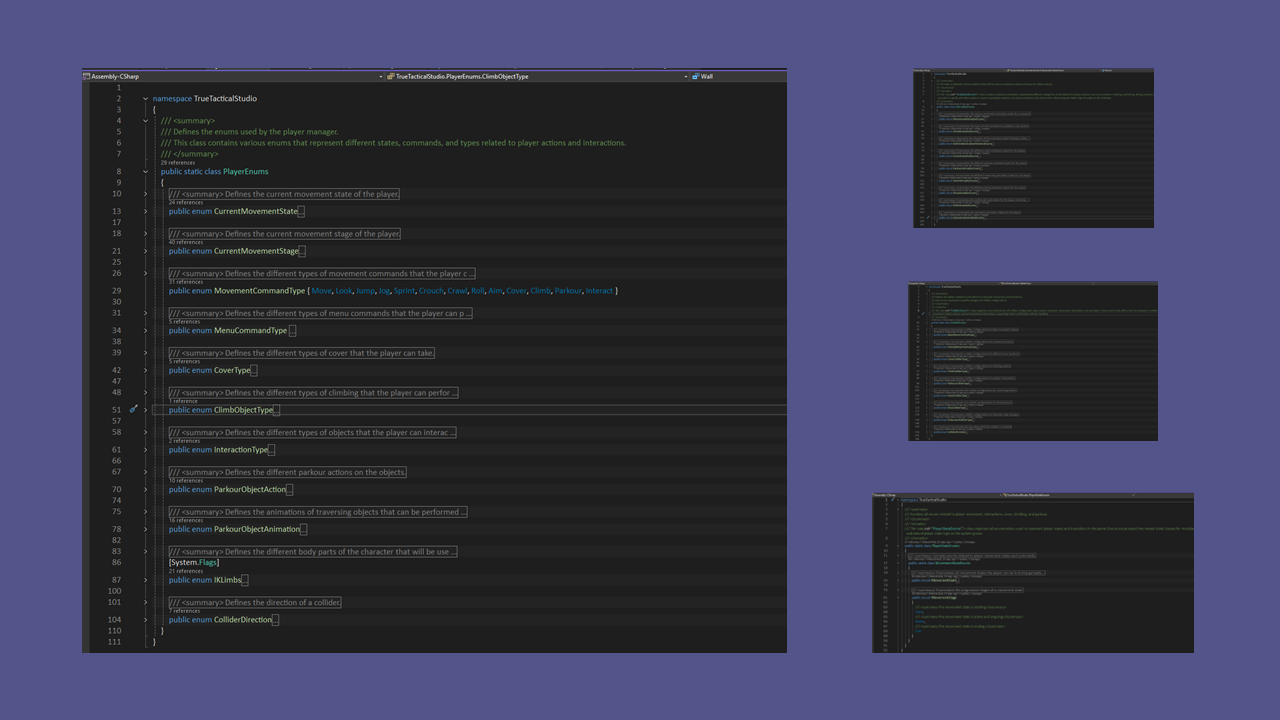
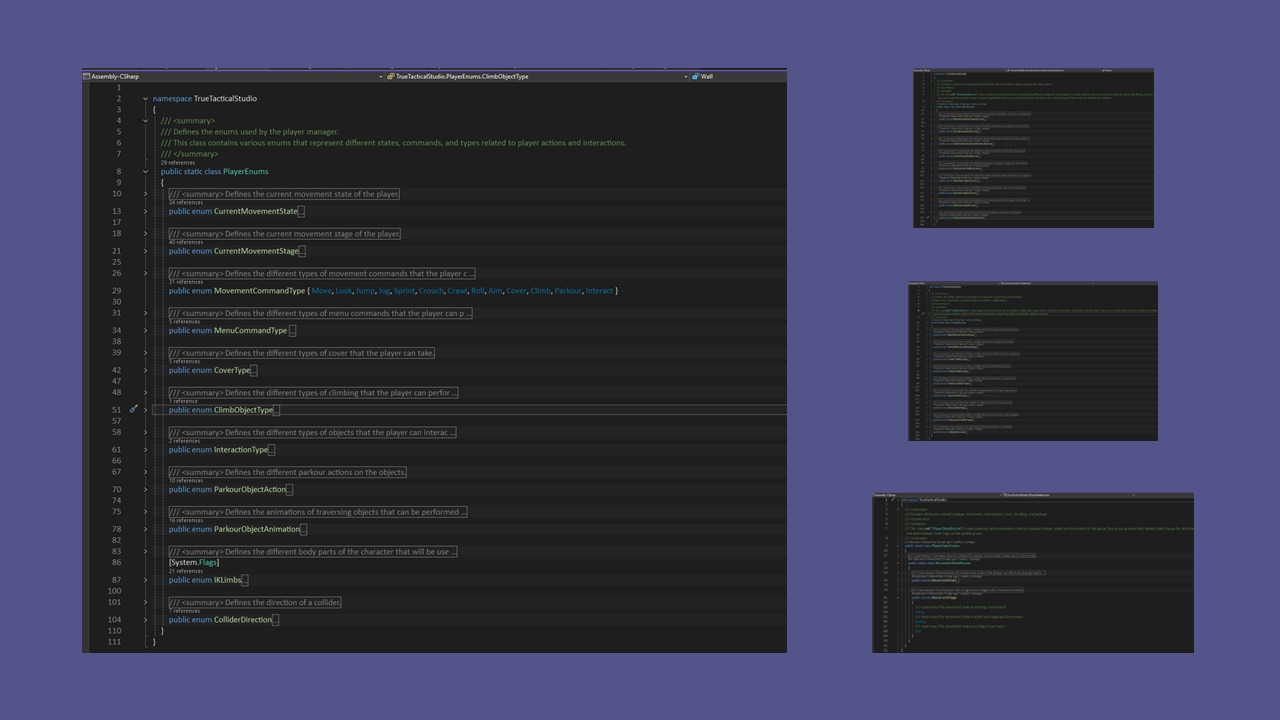
Version 2.0 of the Modular Third-Person Framework introduces a major cleanup behind the scenes: the Enum system has been fully reorganized for clarity, modularity, and long-term maintainability. Enums are the backbone of state machines and gameplay logic — and now they’re easier to manage, extend, and scale across any genre or team size.
🧠 Why This Matters for Buyers In previous versions, all Enums lived inside a single script. That worked — until your project grew. With V2.0:
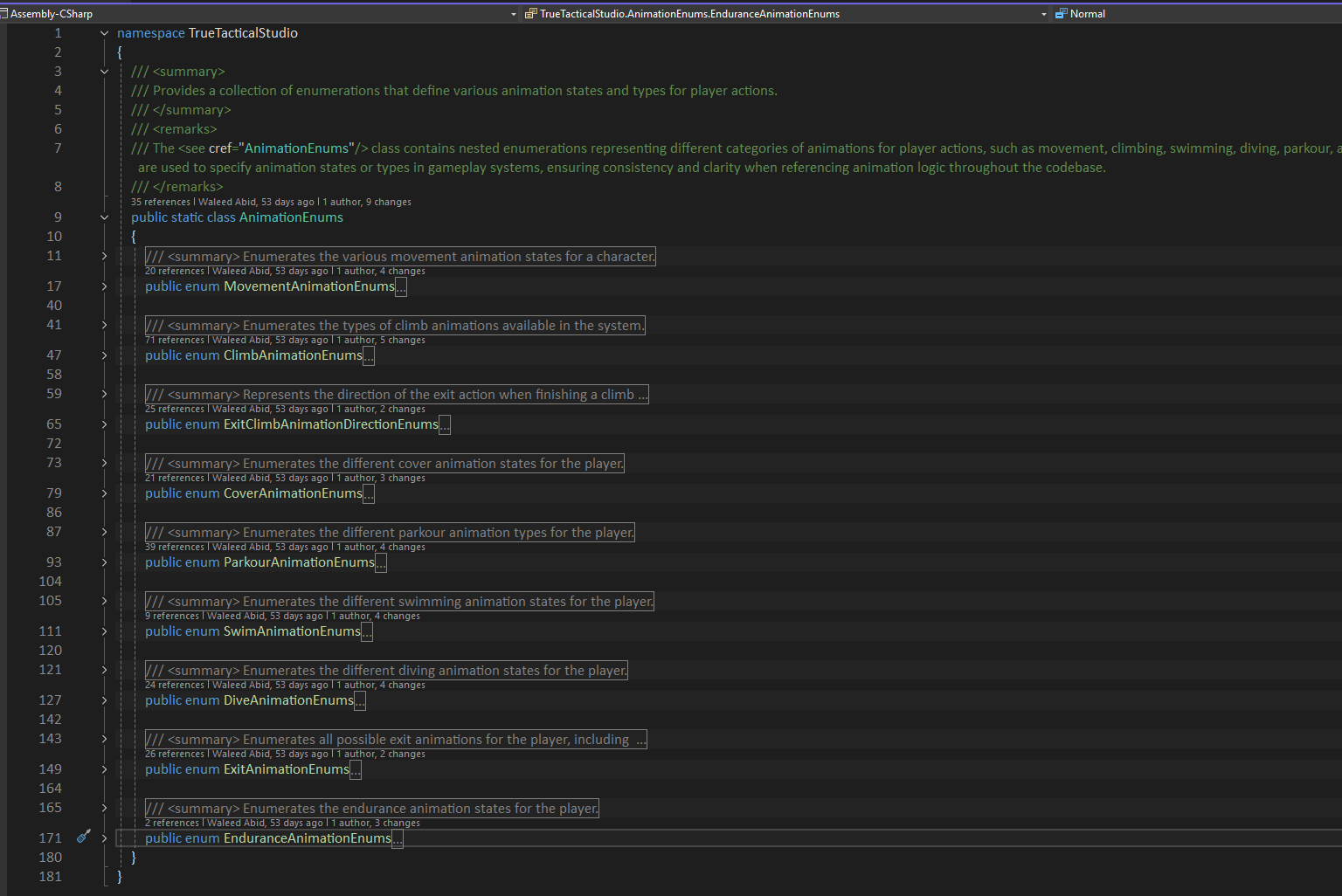
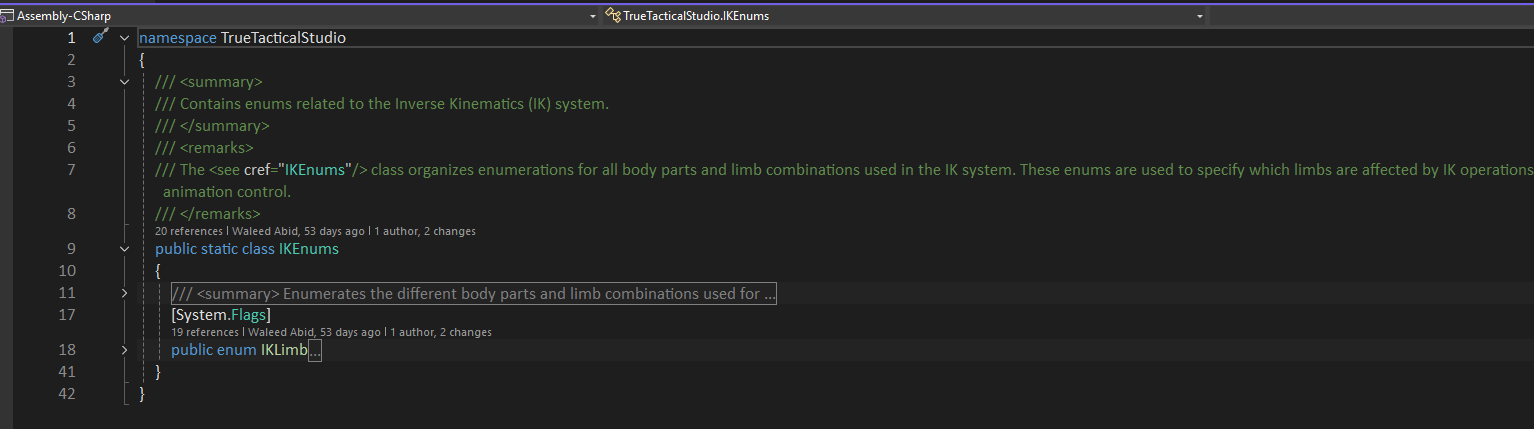
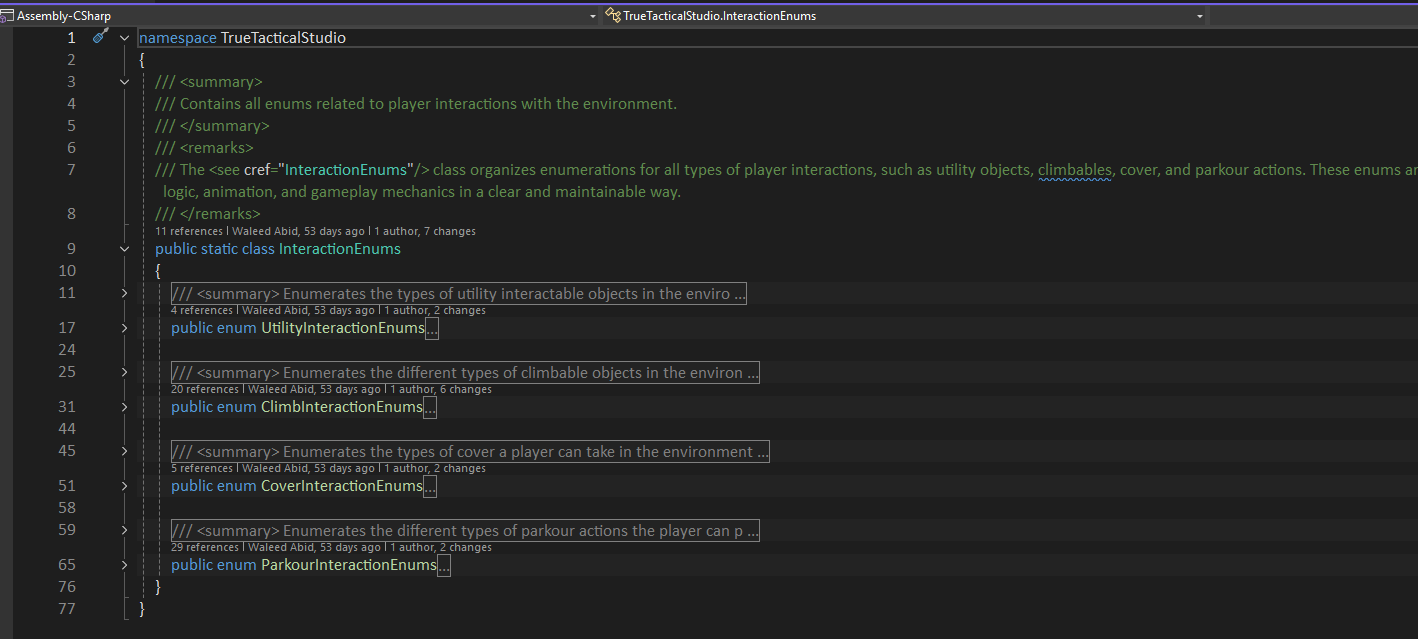
- Enums are split into six dedicated files
- Each system has its own focused Enum definitions
- Logic is now decoupled and modular
Want to add new states, actions, or interactions without breaking other systems? This structure makes it safe and simple.
📁 Enum Categories in V2.0 Enums are now organized across six focused scripts:
- AnimationEnums – All animation-related states
- InteractionEnums – Interaction states and object types
- IKEnums – For Inverse Kinematics systems (Hand, Foot, future extensions)
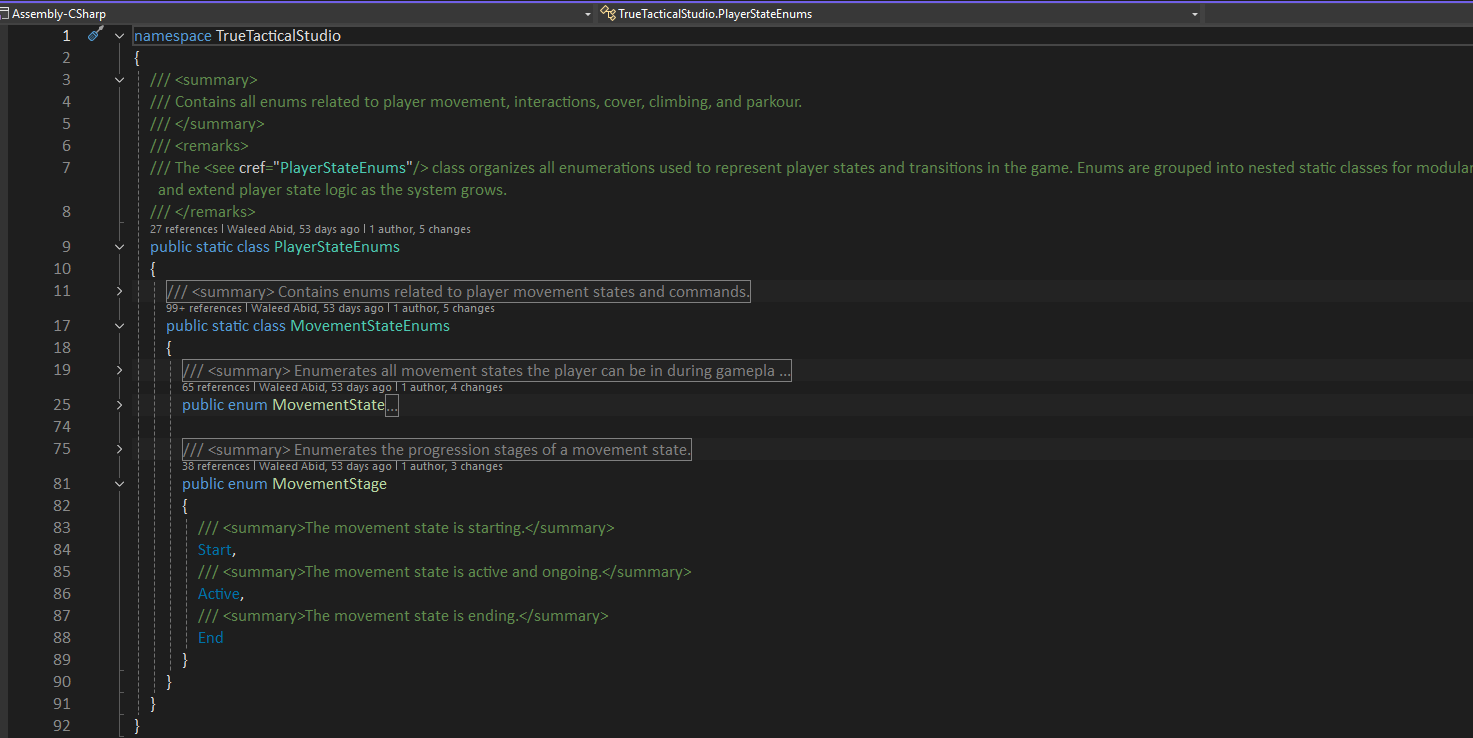
- PlayerStateEnums – Core movement and player state definitions
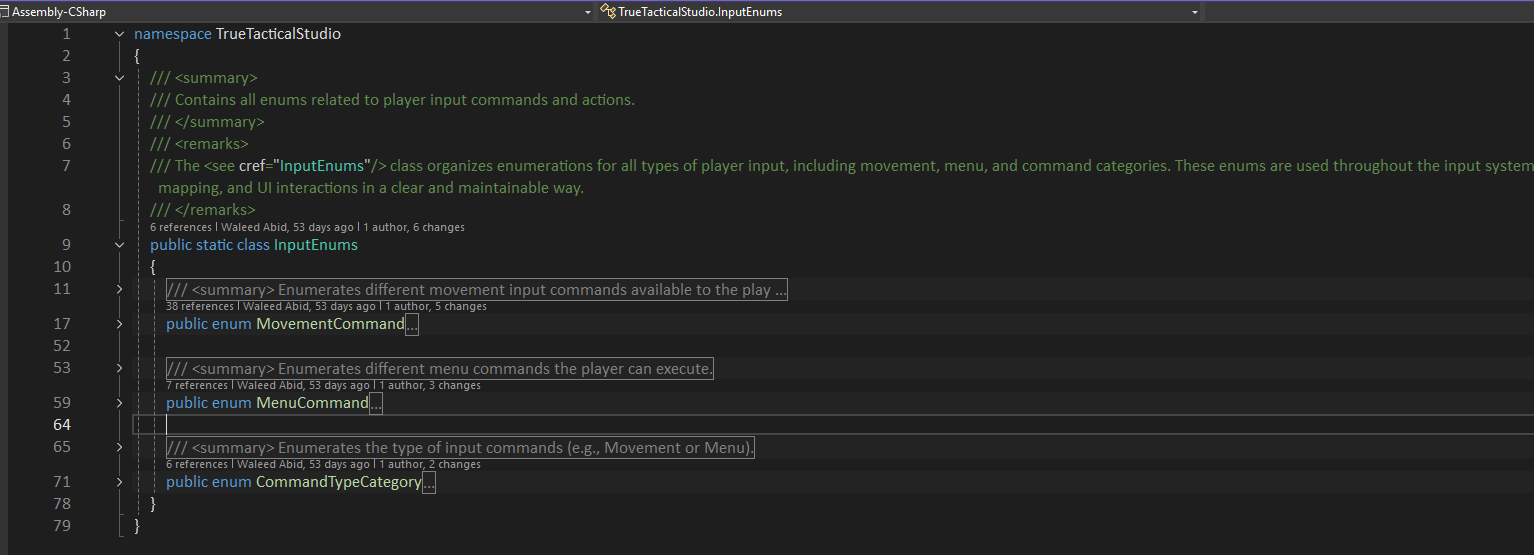
- InputEnums – Input actions used by the new InputCoreOrchestrator
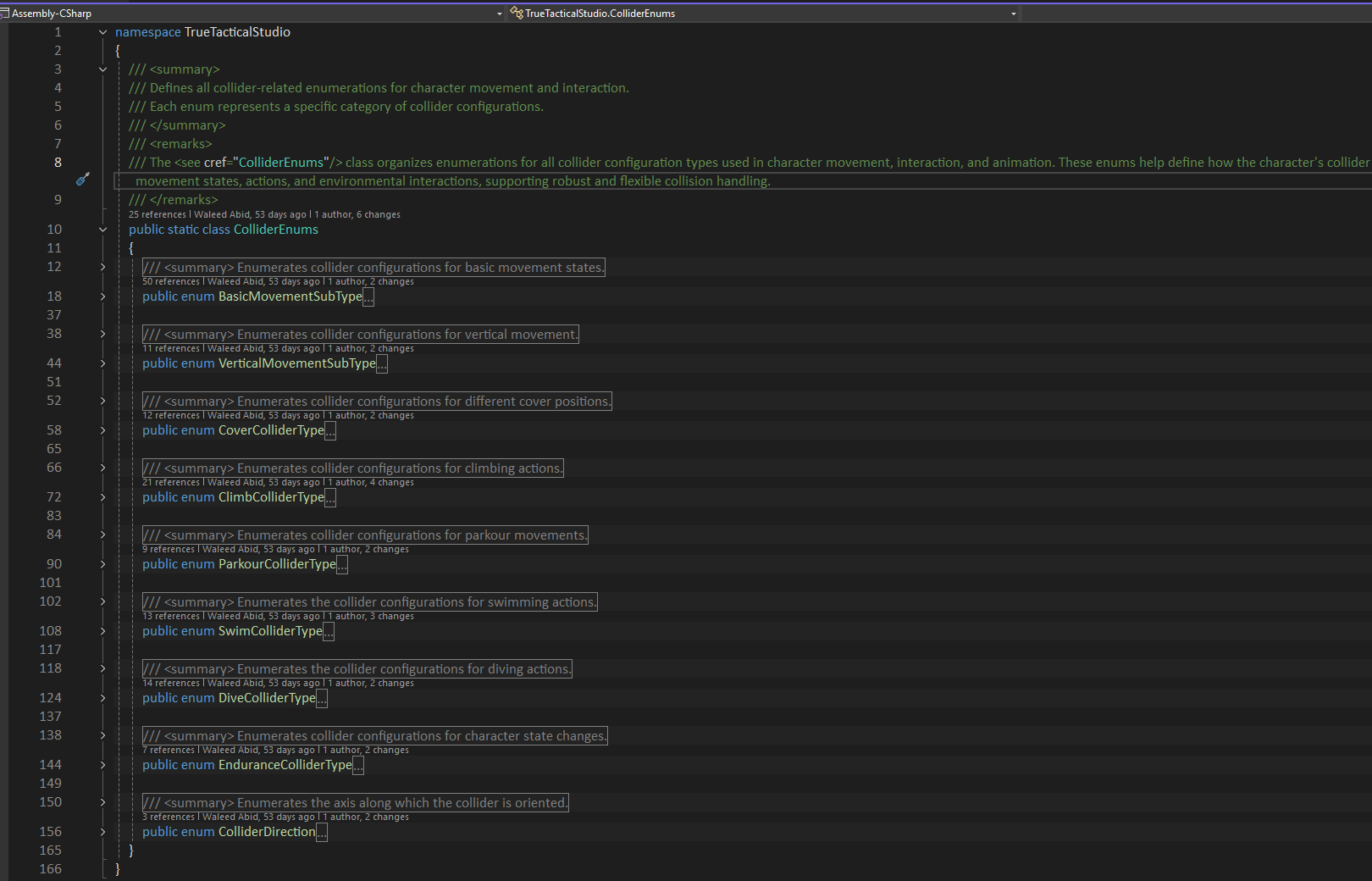
- ColliderEnums – Configurations for dynamic and state-based colliders
Need to extend parkour, climbing, or cover? Just update the relevant Enum file.
🧩 Architecture Spotlight
- Old Approach: One large Enum file shared across all systems
- New Approach: Six smaller, system-specific files
- Result: Easier navigation, fewer merge conflicts, and better onboarding for new developers
Want clean code that scales with your team? This structure is built for collaboration.
✅ Quick Setup Checklist If you’re extending the framework:
- Identify which system your new feature belongs to
- Add Enums to the relevant script (e.g., PlayerStateEnums for movement states)
- Keep cross-system Enums minimal — separation is key
- Test transitions and references after adding new states
🧩 Final Notes While enums may not be flashy, they’re foundational. With Version 2.0, the framework’s enums are now organized, modular, and future-proof, giving developers a cleaner foundation to build on — whether you're prototyping solo or scaling across a studio. Want to build smarter systems with less risk and more control? This Enum structure is your starting point.