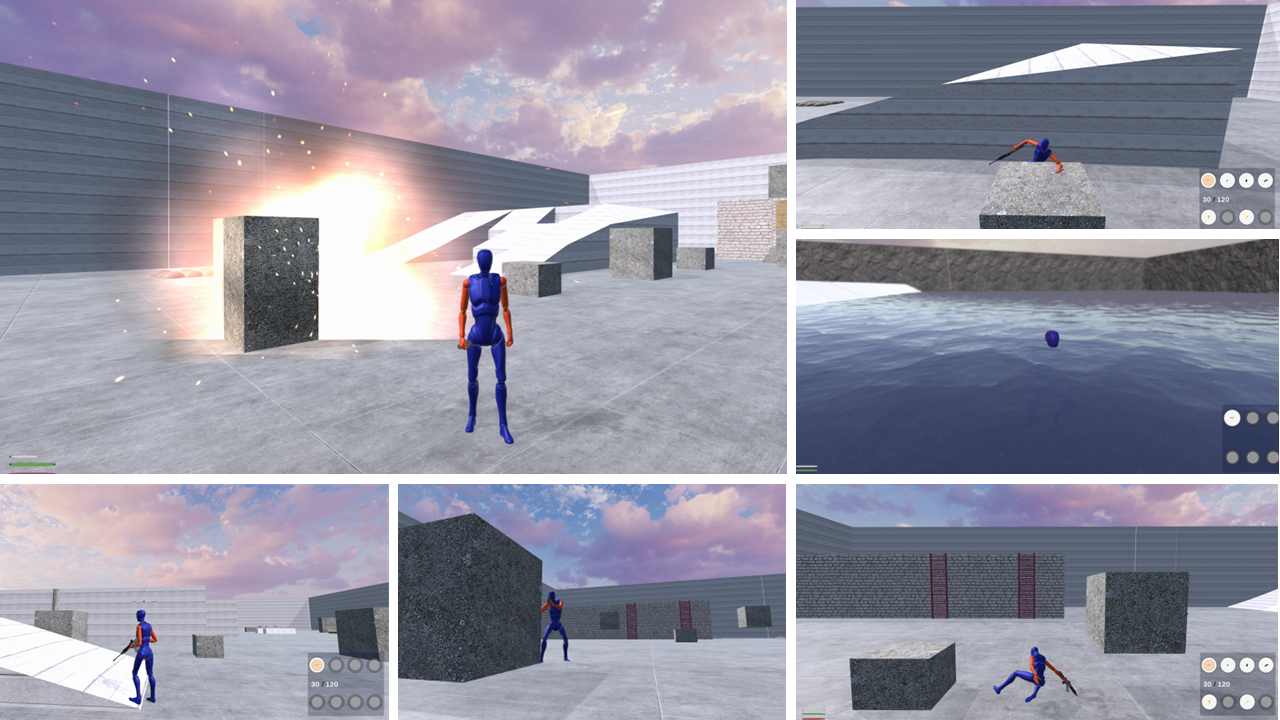
Why MTPSF Was Built
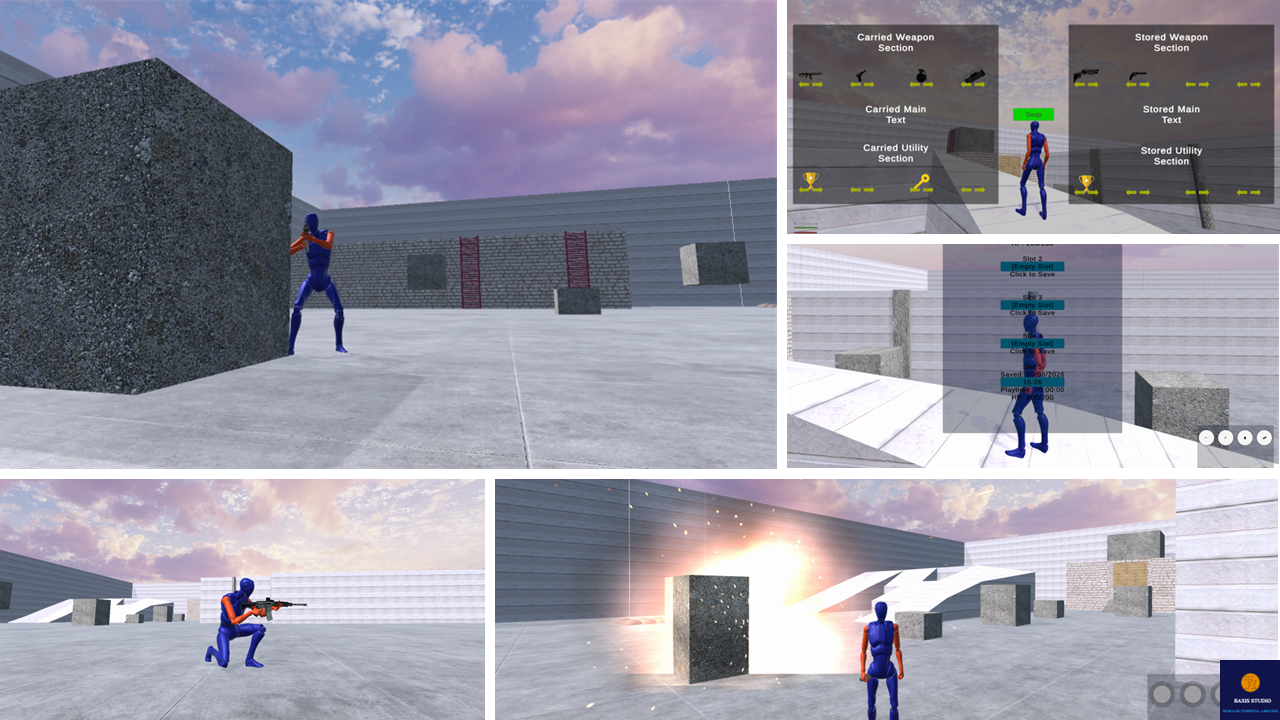
From a Working Prototype to a Maintainable Product
Third person shooter projects often begin with visible progress. A character moves, a weapon fires, the camera follows, and the first gameplay loop comes together quickly. The difficulty appears later, when every new feature creates another connection between movement, weapons, input, animation, camera behavior, user interface, inventory, interaction, health, and other systems. A prototype can prove an idea, but a framework has to remain understandable after the idea grows. MTPSF was built in response to that difference. The goal was not only to make shooter mechanics work. The goal was to create a foundation that developers could study, configure, extend, and maintain in real Unity projects.
The Problem MTPSF Was Created to Solve
As shooter projects expand, direct references and overlapping responsibilities can turn small changes into risky work. Weapon logic may start controlling camera behavior. Movement code may begin checking combat conditions. User interface elements may depend on the internal state of several gameplay systems. The project still works, but the cost of understanding and modifying it increases. MTPSF was created to reduce that friction through clearer system boundaries and controlled communication. The framework uses modular systems, interfaces, dependency injection, inversion of control, events, delegates, actions, state machines, composition, and Scriptable-Object-driven configuration where those approaches support the responsibility of the system. These architectural choices are not included to make the framework look complicated. They are there to help systems cooperate without becoming unnecessarily dependent on one another.
Lessons Carried Forward from MTPF
MTPSF also builds on lessons learned while developing and releasing the Modular Third Person Framework. MTPF focused on modular third person movement and became an important foundation for understanding how developers evaluate, learn, and extend a commercial Unity framework. Those lessons affected more than code. Clear naming, folder structure, inspector organization, configuration workflows, documentation, tutorials, demonstrations, and support all influence whether a developer can use a framework with confidence. MTPSF was therefore designed as a broader product experience rather than only a collection of combat features.
A Framework, Not a Finished Game
MTPSF is not intended to be a finished game or a rigid template that determines every creative decision. It provides systems and architecture that developers can adapt to their own projects.
- Developers can integrate their own characters and animations.
- Developers can use their own weapons, environments, interfaces, and visual identity.
- Systems are designed to be configured, extended, replaced, or disabled according to the needs of the project.
- The framework focuses on reusable functionality while leaving creative control with the development team.
Why the Development Took More Than 15 Months
Building the visible systems was only part of the work. MTPSF went through repeated implementation, review, refactoring, validation, documentation, packaging, and presentation cycles. The framework needed to work, but it also needed to communicate its structure clearly to developers who were not involved in creating it. Time was invested in code quality, XML summaries, tooltips, configuration assets, demonstrations, setup videos, architecture materials, FAQs, documentation, and fresh-project validation. The aim was not to claim perfection. The aim was to release a framework prepared with the discipline required for long-term use and support.
Built for Developers Who Want a Strong Foundation
MTPSF is designed for solo developers, indie teams, and small studios that want to build custom third person shooter projects without recreating every supporting system from the beginning. It is particularly suited to developers who value modularity, readable responsibilities, configurable workflows, and extension points. The framework gives teams a starting point for shooter development while preserving the freedom to shape the final game around their own design goals.
A Continuing Product Direction
MTPSF represents the next stage of Raxis Studio's modular framework direction. The release is a major milestone, but it is also the beginning of real-world adoption, support, feedback, and future improvement. Raxis Studio will continue focusing on frameworks that help developers spend more time creating gameplay and less time rebuilding foundational systems. That direction is captured in the studio's promise: Modular, Powerful, Limitless.