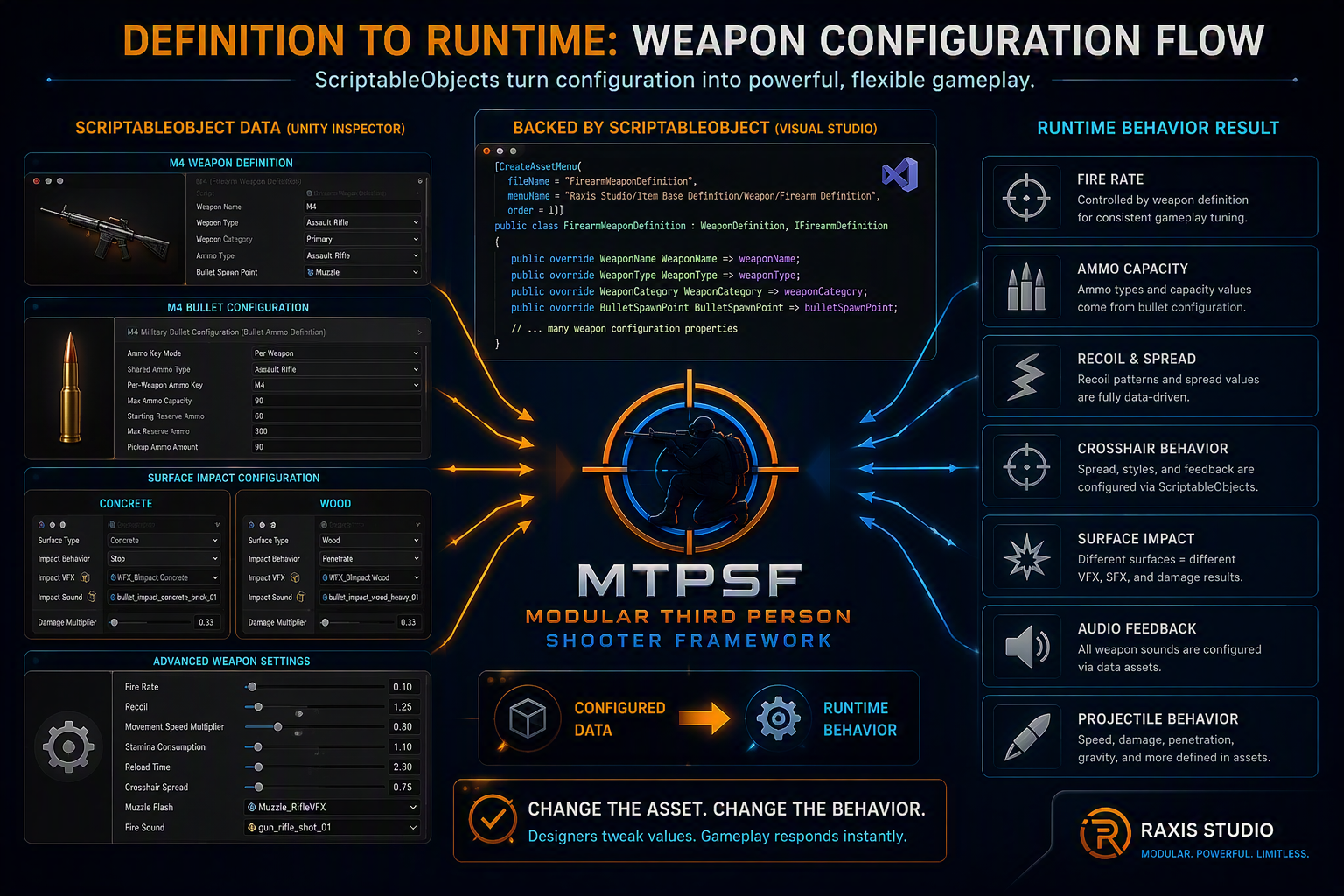
Why MTPSF Uses ScriptableObjects for Configurable Systems
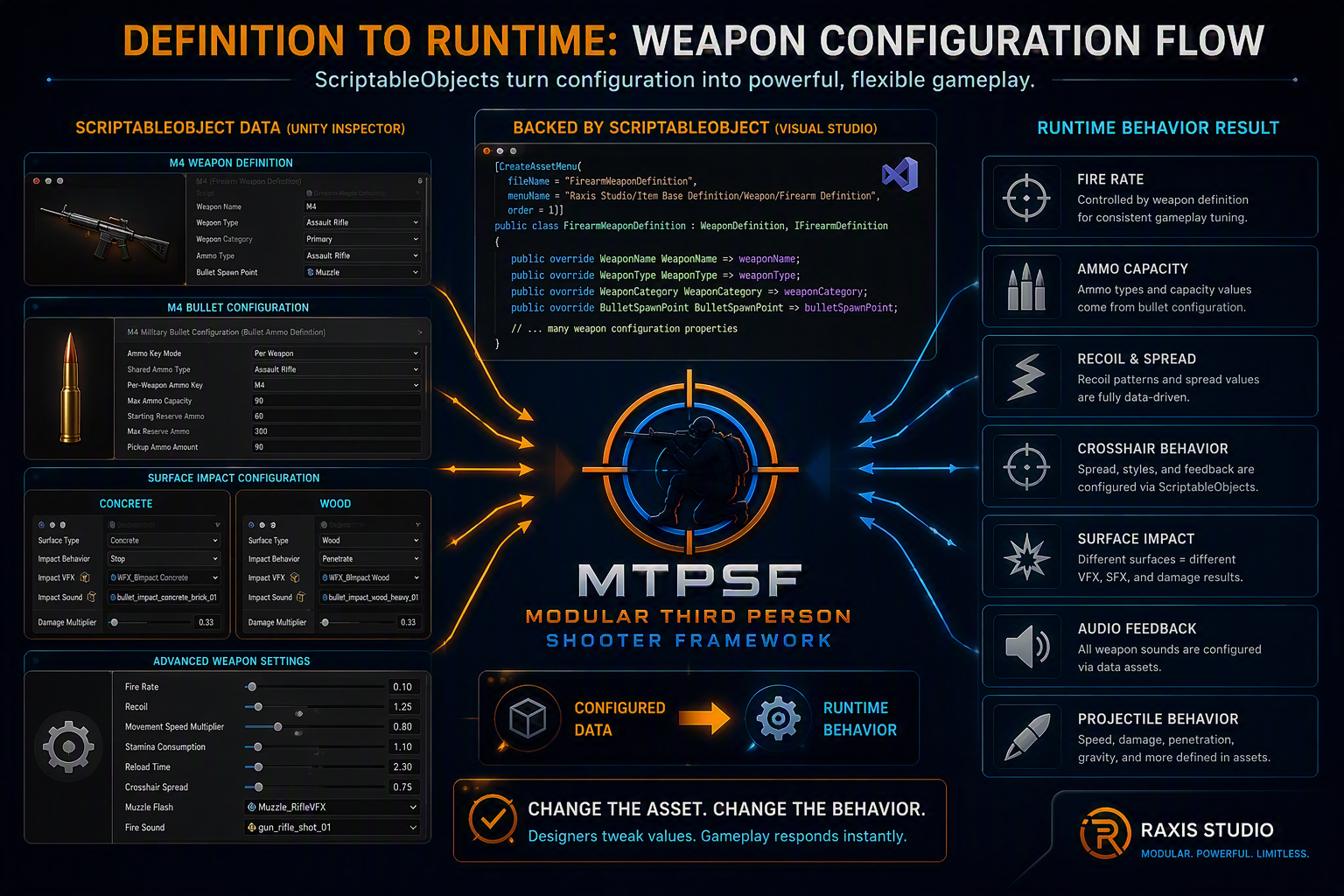
ScriptableObjects are useful in Unity because they provide a clean way to separate configuration data from behavior. In a modular shooter framework, this separation can make a significant difference.
Many gameplay systems rely on values that need to be adjusted, tested, reused, and balanced over time. If those values are hardcoded inside scripts, the framework becomes harder to tune and harder to adapt.
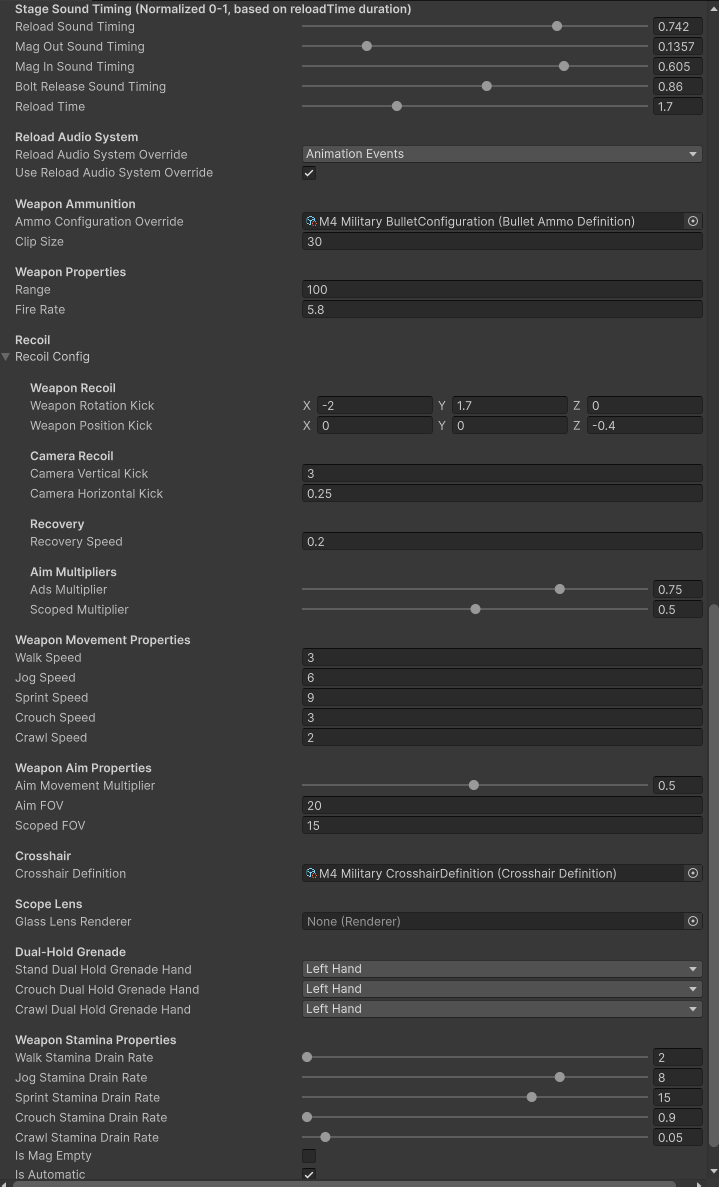
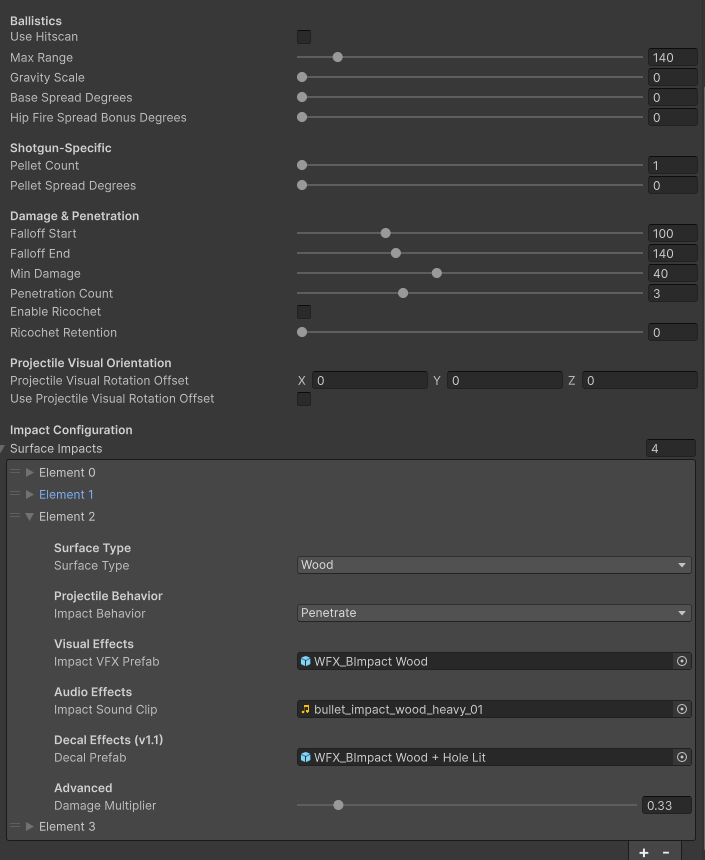
MTPSF uses ScriptableObjects as part of its configurable system workflow because shooter frameworks often contain many tunable settings. Weapon behavior may depend on fire rate, ammunition capacity, spread, recoil, reload timing, surface response, or feedback settings. Movement systems may depend on speed values, stamina behavior, transition rules, or movement modifiers. Camera systems may need different values for aiming, movement, or combat contexts. Keeping this data organized is important for long-term usability. When configuration values are placed directly inside scripts, several problems can appear.
A developer may need to search through code to adjust a simple value. Similar values may be duplicated in different places. Testing different configurations may require editing logic that should remain stable. Over time, this can make the framework feel harder to control, even if the visible gameplay systems are working correctly. ScriptableObjects help solve this by giving configuration data its own place. Instead of burying values inside behavior scripts, important settings can be stored in assets that are easier to inspect and adjust from the Unity Editor.
This supports a more practical workflow because developers can tune behavior without constantly changing the code that controls the system. This approach also improves organization.
A framework can separate different configuration profiles for different weapons, movement styles, item types, or gameplay behaviors. Each profile can hold the values needed for a specific purpose. This makes it easier to compare setups, reuse data, and keep related values grouped together instead of scattered across many components.
For a shooter framework, this can be especially helpful because variation is common. Different weapons may need different fire rates, reload behavior, audio settings, visual feedback, recoil values, or ammunition rules. Different player configurations may need different movement or stamina settings. Different gameplay contexts may need different response values.
ScriptableObjects make these variations easier to manage without creating unnecessary script duplication. ScriptableObjects also support reusability. A configuration asset can be referenced by multiple systems or objects when appropriate.
This helps avoid repeated values and makes it easier to keep related behavior consistent. If a value needs to change, the configuration can be adjusted in one place instead of being updated across several scripts or prefabs. Another benefit is readability. When values are organized into ScriptableObject assets with clear names and focused responsibilities, developers can understand the purpose of a configuration more quickly. Instead of opening multiple scripts to understand how a weapon or system is tuned, they can inspect the relevant configuration asset and see the important values in one place.
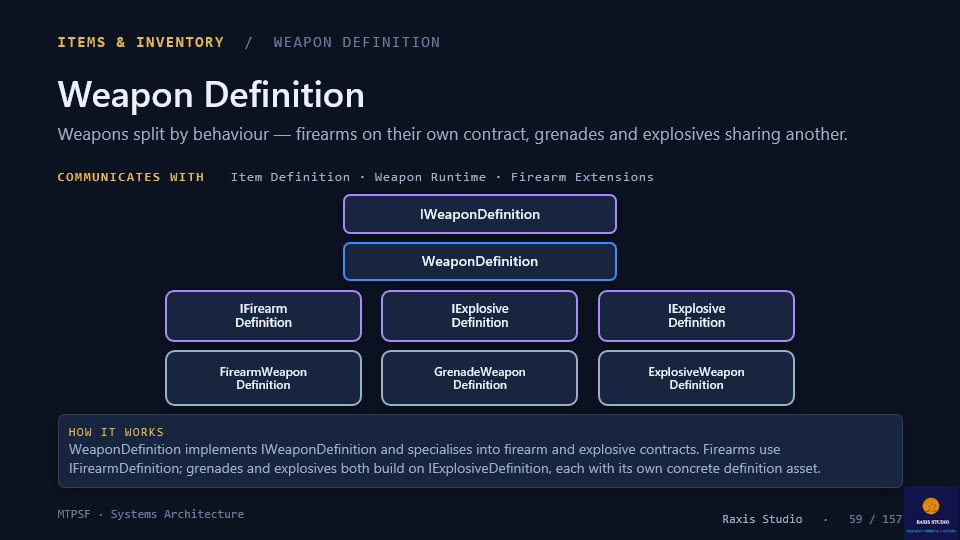
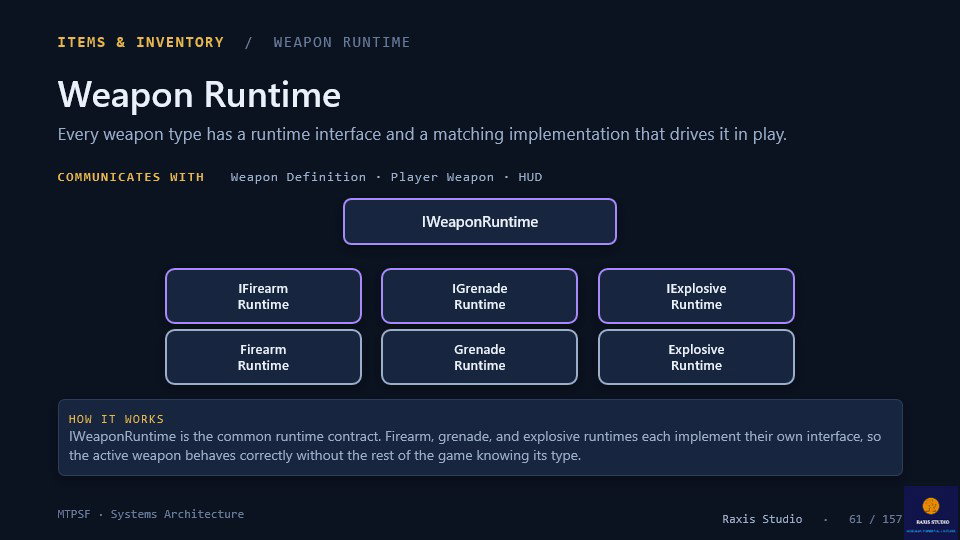
In MTPSF, ScriptableObjects are part of the broader modular architecture direction. They help separate data from logic, reduce hardcoded settings, and support a cleaner workflow for configuring gameplay systems. This does not mean every piece of data belongs in a ScriptableObject, but important reusable settings can benefit from being organized this way.
For reusable Unity assets, configuration workflow is part of the user experience. Developers need to know where values are stored, how they can be adjusted, and how configuration changes affect the framework. ScriptableObjects help make this workflow more transparent because configuration becomes visible, reusable, and easier to manage from inside the editor.
Using ScriptableObjects for configurable systems helps keep MTPSF more practical for long-term development. Shooter frameworks need many values that may change during testing, balancing, or adaptation to different projects. By separating those values from core behavior, the framework becomes easier to tune, easier to understand, and easier to extend without unnecessary code changes.