How MTPSF Helps Developers Build Shooter Games Faster
Faster Development Starts with Less Rebuilding
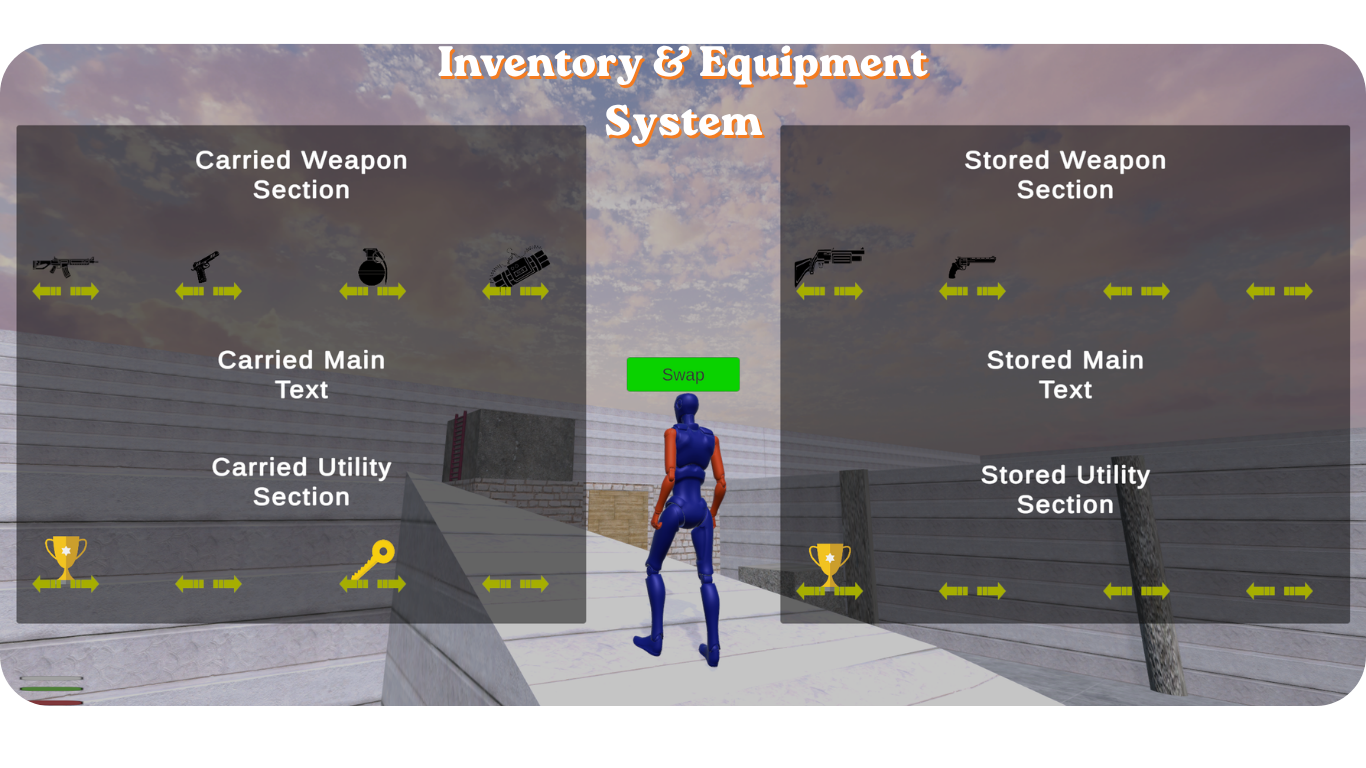
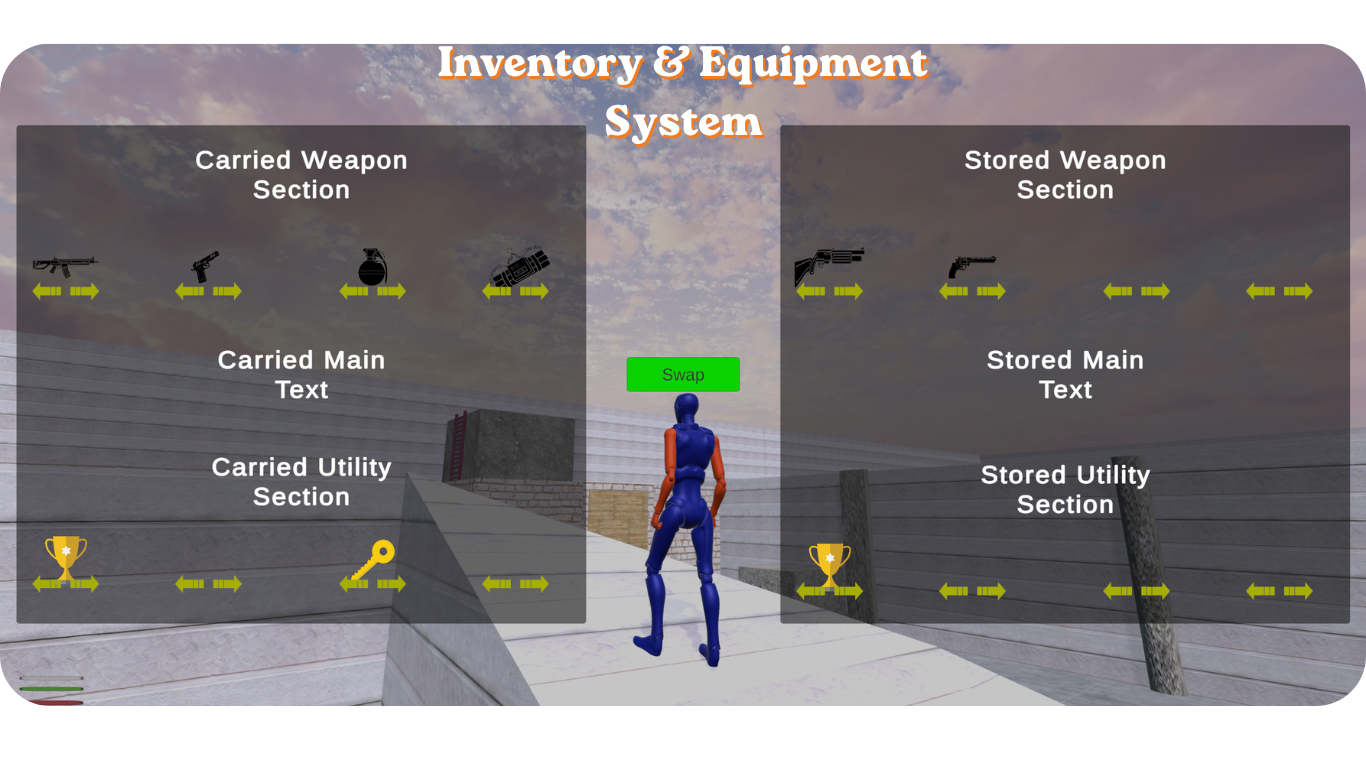
Developers do not save time simply because an asset contains many features. Real time savings come from having systems that are already organized, configurable, documented, and ready to support further work. MTPSF helps developers move forward by providing a connected third person shooter foundation. Instead of rebuilding movement, weapons, camera behavior, interactions, inventory, health, utilities, user interface feedback, and related workflows independently, developers can begin from systems designed to work together.
Start from a Connected Foundation
A shooter project rarely depends on one isolated mechanic. Aiming affects camera behavior. Weapon state affects input, animation, movement, ammunition feedback, and user interface. Interactions may depend on player state and inventory conditions. MTPSF provides a structure for these connections so developers can focus on adapting the framework rather than solving every relationship from the beginning. This is especially valuable during prototyping. A stronger foundation allows developers to test gameplay ideas without immediately creating a large amount of supporting infrastructure.
Configure Before You Rewrite
Many MTPSF systems expose tunable values through organized Unity workflows and Scriptable-Object-based configuration. This helps developers adjust behavior without turning every balancing or setup decision into a code change.
- Configure character and system values for different gameplay needs.
- Create or adjust weapon definitions and related settings.
- Enable, disable, or map mechanics through the intended input and system configuration paths.
- Iterate on gameplay behavior while keeping core responsibilities stable.
Reuse Systems Across the Project
Reusable systems reduce repeated implementation. Once a developer understands the framework workflow, that knowledge can support additional weapons, characters, items, utilities, states, and project-specific extensions. The benefit is not only faster first setup. Consistent architecture reduces the time required to rediscover how each new feature should communicate with the rest of the project.
Extend Through Clear Responsibilities
MTPSF is shaped around focused responsibilities, contracts, events, state machines, factories, commands, observers, and dependency control. These patterns create extension points and help developers identify where new behavior belongs. When responsibilities are clear, developers can make changes with greater confidence. A new feature does not need to be inserted into every existing system. It can often be added through the appropriate contract, state, event, configuration asset, or service boundary.
Learn Faster with Supporting Resources
Development speed depends on onboarding speed. MTPSF includes documentation, architecture material, setup and configuration videos, demonstrations, FAQs, and support channels intended to help developers understand both the workflow and the reasoning behind it. These resources reduce the need to reverse-engineer the framework before productive work begins.
Spend More Time on the Game
The practical value of MTPSF is not that it removes all development work. A real game still requires design, content, balancing, integration, testing, optimization, and project-specific engineering. The value is that developers can spend more of that effort on the game they want to create instead of repeatedly rebuilding the same shooter foundation. MTPSF provides a starting point designed for adaptation, allowing teams to move from idea to meaningful gameplay with a clearer path forward.